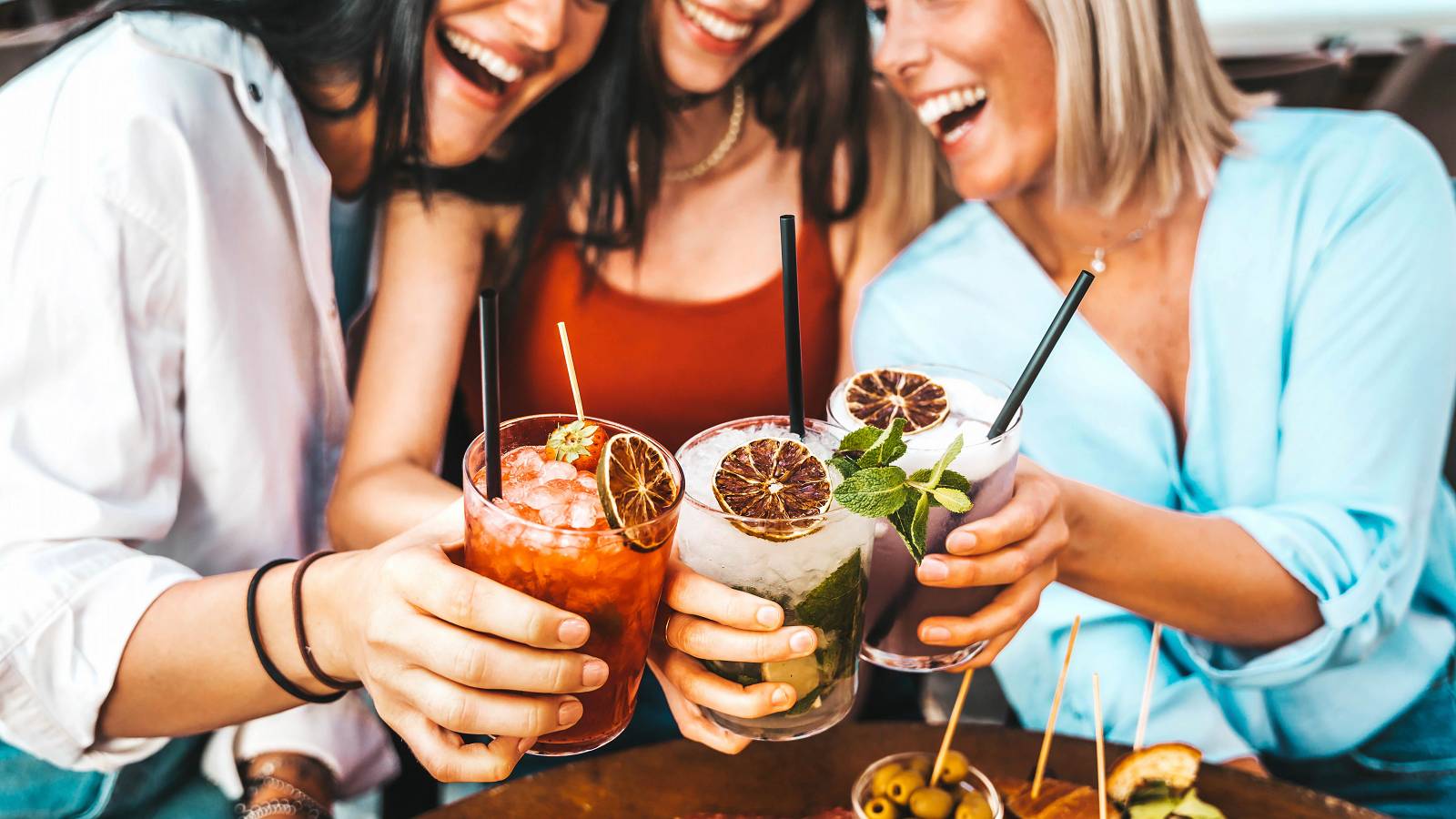
Non‑alcoholic beverages are no longer a niche. In Belgium and across Europe, producers are seeing sustained demand for alcohol‑free alternatives that deliver the same level of quality, complexity and experience as traditional drinks.
Campaigns such as Dry January and Tournée Minérale have accelerated this shift, but the underlying trend is structural. Consumers expect refined taste, clear functionality and credible positioning: year‑round, not just seasonally. For producers, this creates real opportunities, but also new technical and operational challenges.
A new generation of drinks
Brewers, distilleries and beverage producers are applying their craftsmanship to alcohol‑free products with increasing sophistication. Whether launching a new range or extending an existing portfolio, the ambition is clear: deliver a premium experience without compromise.
What defines these products?
- Complex flavour profiles: Alcohol‑free spirits, wines and botanical drinks are often produced using advanced extraction, fermentation or blending techniques. Layers of botanicals, cultures or functional ingredients are combined to create depth and balance — making product stability and consistency critical.
- Functional and natural benefits: Products such as kombucha, kefir and functional beverages respond to consumer demand for health‑oriented alternatives, often containing probiotics, antioxidants or adaptogens. These formulations are sensitive by nature and require careful handling throughout production and packaging.
- High sensitivity to external factors: Many non‑alcoholic drinks are vulnerable to oxygen, light and temperature variations. Preserving shelf life while maintaining taste, aroma and quality is a key technical challenge for producers.
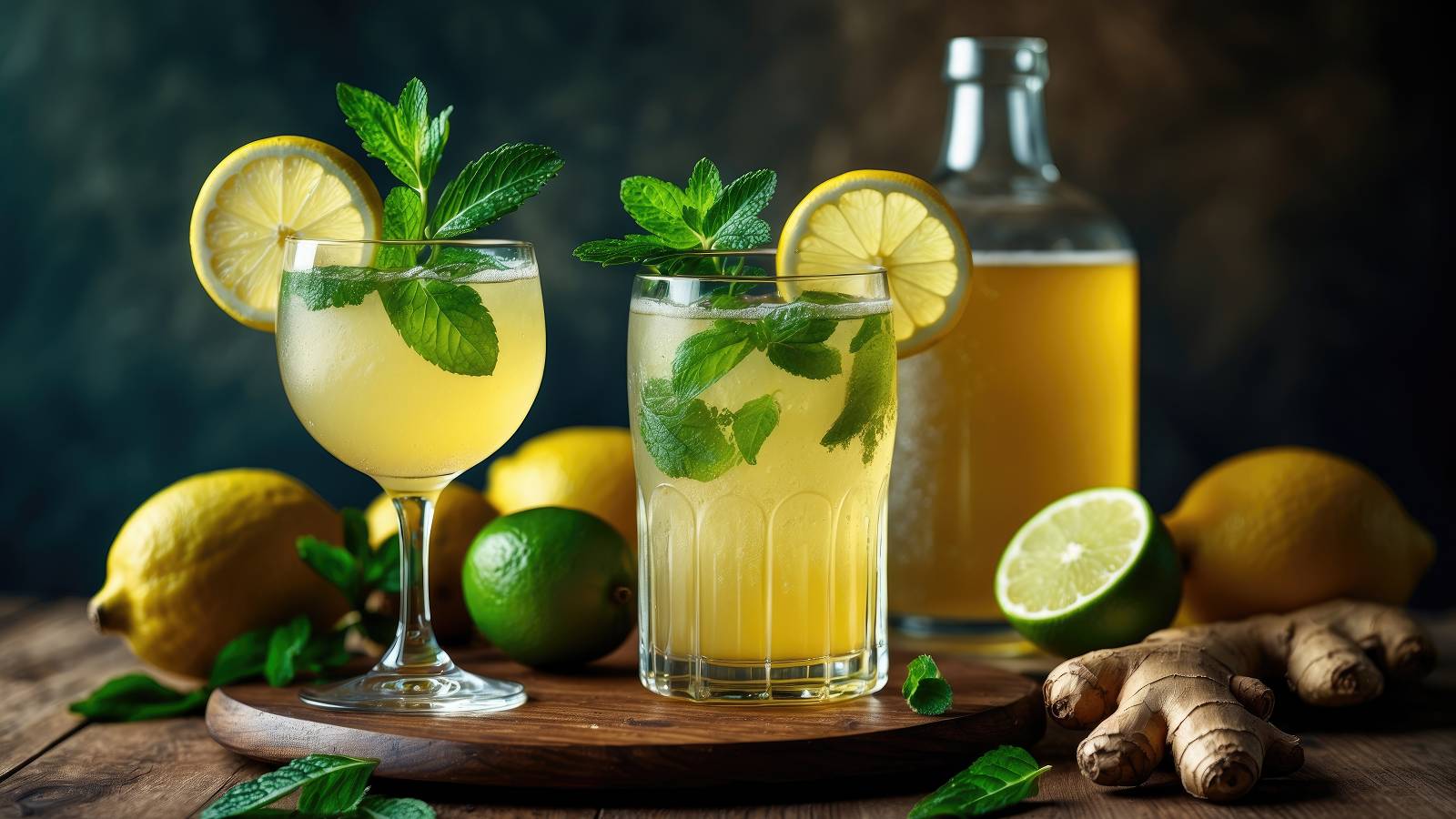
Lemon Mocktail
Glass bottles as critical success factor
For this category of premium drinks, glass remains the packaging of choice. It directly impacts product integrity, production efficiency and brand perception. And for good reason.
- Product quality and stability: Glass offers an inert, airtight and light‑resistant barrier, making it well suited for complex or living beverages. It helps safeguard flavour stability and quality throughout distribution and shelf life.
- Brand positioning on a crowded shelf: As the category grows, differentiation becomes harder. The bottle is often the first point of contact with the consumer. A well‑designed glass bottle reinforces premium positioning, supports brand storytelling and helps products stand out at point of sale.
- Alignment with sustainability expectations: Health‑conscious consumers increasingly expect packaging choices to reflect broader values. Glass bottles are fully recyclable and increasingly part of reuse and circular models, making it a logical choice for brands operating in this space.
Non-alcoholic spirits and botanical drinks
as an alternative beverage on festive occasions
Flexibility for producers at every stage
Non‑alcoholic beverage projects come with very different requirements. Some producers need low minimum order quantities and fast time‑to‑market. Others focus on distinctive formats, custom bottles or special editions to support brand launches or festive moments.
At GAASCH PACKAGING, we support brewers, distilleries and beverage producers with:
- A broad range of standard glass bottles
- Custom and bespoke packaging development
- Technical advice aligned with production realities
- Flexible logistics and reliable availability
Our role is to reduce risk, simplify decisions and support scalable growth: from first launch to portfolio expansion.
Looking ahead
The non‑alcoholic category will continue to evolve, driven by innovation, regulation and rising quality expectations. For producers, success will depend on making the right choices early. Not only in formulation, but also in packaging.
Planning your 2026 production or launching a new non‑alcoholic range?
Let’s explore packaging solutions that protect your product, support your brand and fit your production reality. Contact us to discuss your project.
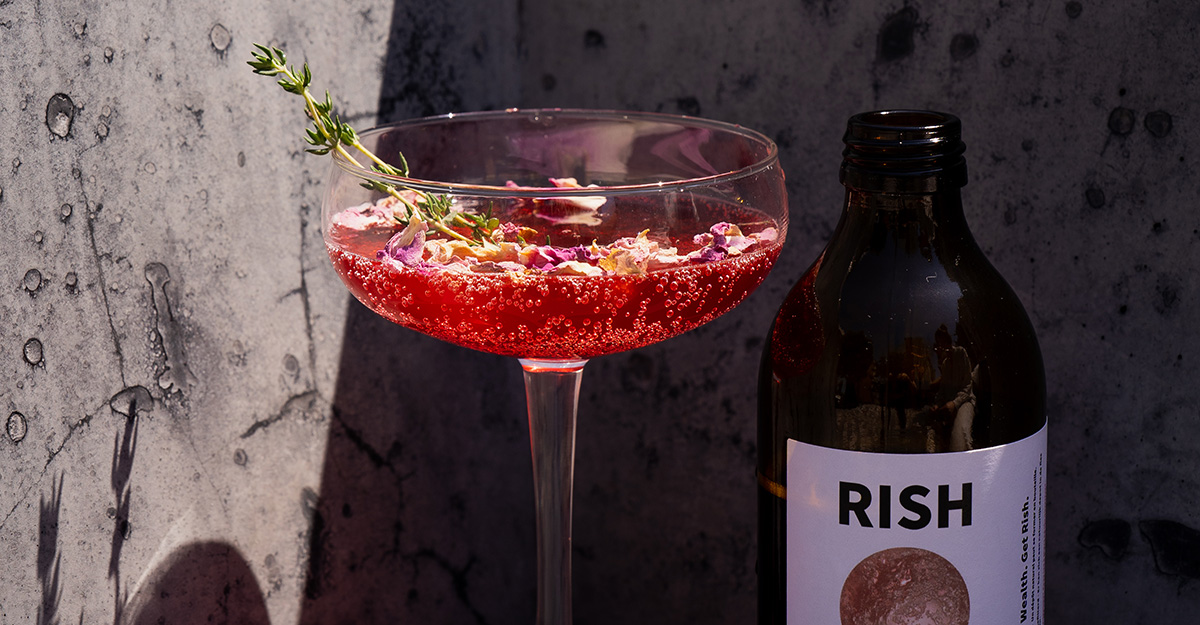
Kombucha Mocktail